
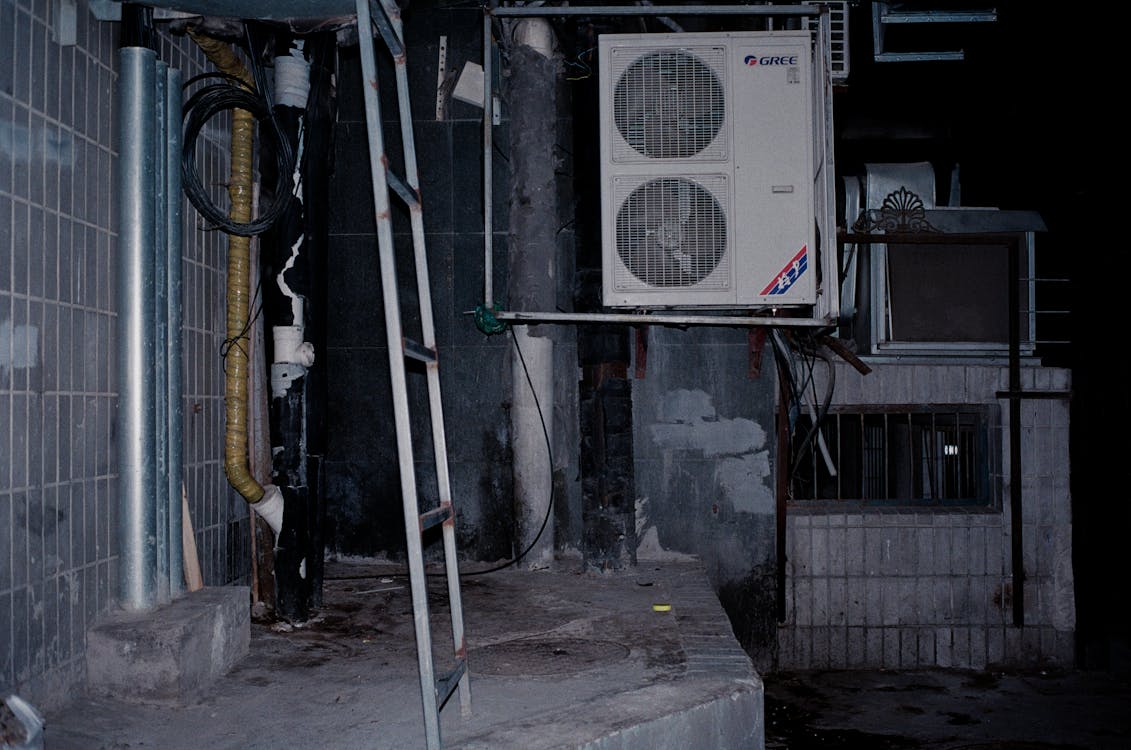
An AC system typically refers to an Air Conditioning system. Air conditioning is the process of altering the properties of air (primarily temperature and humidity) to more comfortable conditions, typically with the aim of distributing the conditioned air to an enclosed space such as a building or a vehicle. An air conditioner (AC) leaking water is a common issue caused by various factors. Understanding the reasons behind this problem is crucial for effective troubleshooting and timely resolution.
Here’s an introduction to some of the primary reasons why your AC might be leaking water;
Low refrigerant levels: If your AC is low on refrigerant, the evaporator coil may freeze, leading to excessive condensation when it thaws. This can overwhelm the drainage system and cause water to leak. Refrigerant levels should be checked regularly, and any leaks should be repaired promptly.
Damaged or disconnected drain pan: The drain pan is designed to catch condensation and direct it away from the unit. Water can leak out if the pan is damaged, rusted, or not properly aligned. Regular inspections and timely repairs or replacements are crucial.
Dirty or blocked evaporator coil: Accumulated dirt and debris on the coil can hinder its ability to absorb heat, leading to excessive condensation. Regular cleaning is necessary to maintain optimal coil performance and prevent the air conditioner dripping water.
Incorrect thermostat settings: Setting the thermostat too low can lead to overcooling, causing the evaporator coil to freeze and leak water. Maintaining appropriate temperature settings and avoiding extreme temperature differentials can prevent this issue.
Fan issues: A malfunctioning or slow-moving fan can lead to insufficient airflow over the evaporator coil. Inadequate airflow can cause the coil to freeze and result in water leakage. Regular maintenance and prompt repairs can address fan-related issues.
High humidity levels: In environments with high humidity, the AC system has to work harder to remove moisture from the air. This increased workload can lead to excessive condensation on the evaporator coil and potential water leakage. Managing indoor humidity levels and ensuring the AC is appropriately sized for the space can help mitigate this issue.
Improper installation: If the unit is not installed level or if the condensate drain line needs to be adequately sloped, water may accumulate and leak from the unit. Ensuring a proper and level installation during the initial setup or seeking professional assistance to correct any installation issues can mitigate this cause of leakage.
Dirty air filter: When the air filter becomes overcrowded with debrisand dust, it blocks the airflow over the evaporator coils. This can lead to the coils freezing, and when they eventually thaw, excess water is produced, overwhelming the drain pan and causing leakage.
Malfunctioning condensate pump: The condensate pump is responsible for pumping the collected water outside the home. If the pump fails or is not functioning correctly, water can accumulate and overflow, causing leakage. Regular inspection and maintenance of the condensate pump can prevent this issue.
Frozen evaporator coil: When the evaporator coil freezes, it can overflow the condensate pan, leading to water leakage. This freezing can occur due to low refrigerant levels, dirty air filters, or restricted airflow. Checking and replacing air filters regularly, ensuring proper refrigerant levels, and addressing any airflow restrictions are crucial steps to prevent the evaporator coil from freezing.
Final Thoughts
Regular maintenance, such as cleaning, replacing air filters, clearing the condensate drain line, ensuring proper insulation, and addressing refrigerant issues, can help prevent water leakage in an air conditioner. If leakage persists or worsens, it is advisable to consult with a qualified HVAC professional to diagnose and rectify the specific problem.

