

Managing water around a residential structure is a process that typically evolves alongside the building’s age and the surrounding environment. Over the seasons, shifting soil and changing precipitation patterns can create new challenges for homeowners, turning what might have been a minor nuisance into a more significant concern if left unaddressed. Understanding the mechanisms behind water movement and structural pressure is the first step toward maintaining a stable, dry home.
Understanding the Early Stages of Moisture Accumulation
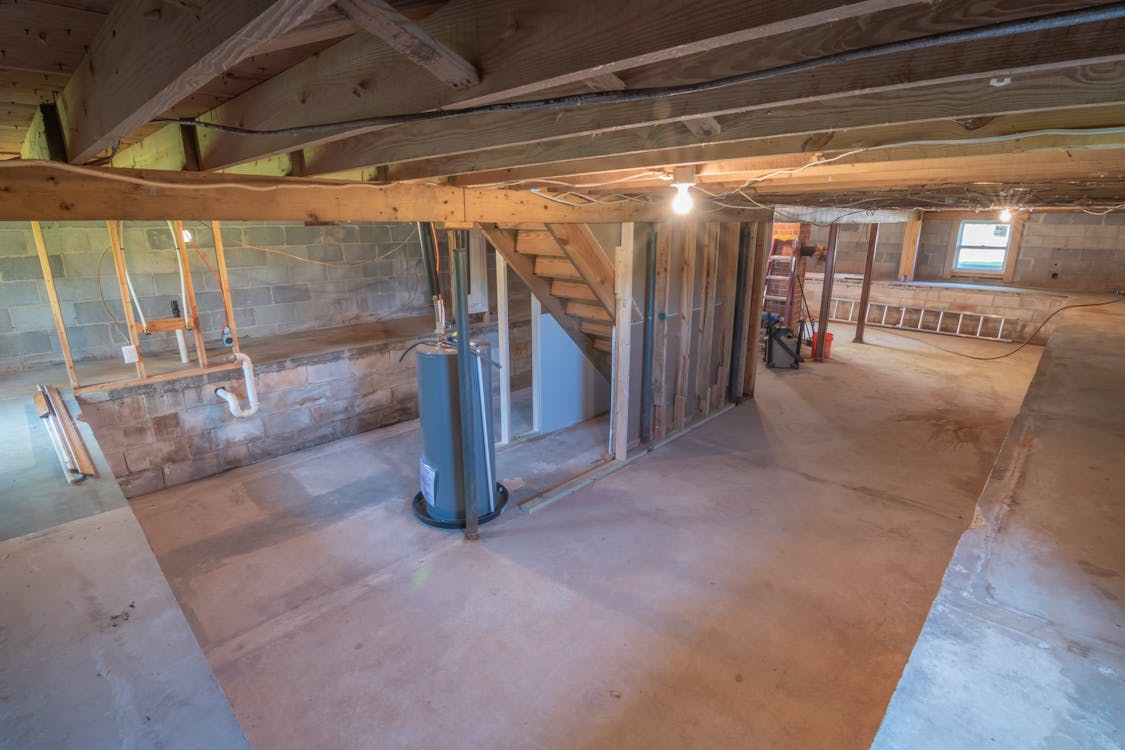
Many homeowners first notice potential issues through subtle changes in their living space or the lower levels of their residence. This might manifest as a persistent damp scent, the appearance of efflorescence—a white, powdery residue on masonry—or small spots of discoloration on walls or floors. These signs often point to the slow ingress of water through microscopic gaps in the foundation or through concrete that has become porous over time.
In climates where temperature fluctuations are common, the ground around a foundation undergoes repeated cycles of expansion and contraction. As the soil freezes and thaws, it exerts pressure against the foundation walls. This movement can eventually lead to the development of hairline cracks or the widening of existing control joints. When water is present in the soil, it seeks these paths of least resistance. Early intervention often involves observing how water behaves during heavy precipitation or snowmelt. Identifying where water pools near the exterior walls or noticing how gutters and downspouts direct flow can often highlight the source of the pressure.
How Structural Conditions Change Over Time
As time passes, small moisture issues can influence the structural components of a home in more meaningful ways. If water frequently finds its way behind foundation walls, it may contribute to the gradual degradation of the concrete’s internal integrity. This is often an incremental process; the foundation does not typically change overnight, but rather responds to the cumulative effects of hydrostatic pressure—the force exerted by water held within the soil against the building’s exterior.
When exploring basement waterproofing in North Dakota, it is helpful to recognize that the primary goal is often to manage the pressure and redirect water away from the structure before it has the opportunity to penetrate. Interior systems often involve the installation of drainage channels that collect water at the perimeter and direct it to a collection point, such as a sump pit, where it can be safely pumped away. Exterior approaches, meanwhile, focus on preventing water from ever reaching the wall surface by improving grading and installing barrier membranes. A knowledgeable provider can explain why a specific approach, or a combination of methods, might be appropriate for the specific soil type and foundation design of a given residence.
Indicators That Require Closer Attention
Determining when a moisture issue has transitioned from a maintenance concern to a structural priority is a question many homeowners face. Certain indicators suggest that the foundation may be undergoing more than just minor surface-level stress. If basement walls show signs of bowing, tilting, or horizontal cracking, it typically indicates that the soil pressure has reached a point where the wall’s original structural resistance is being overcome.
Similarly, gaps appearing between the foundation and the floor, or doors and windows that become difficult to operate, can sometimes signal that the home’s footing is settling unevenly. In these instances, foundation repair in North Dakota may become necessary to restore stability. This work often involves underpinning or the installation of stabilizing supports designed to transfer the load of the building to more stable soil layers beneath. These methods are designed to arrest further movement and provide a more secure foundation for the years ahead. When evaluating these signs, it is useful to consult with professionals who specialize in structural assessments to determine if the observation is a sign of long-term settlement or a temporary reaction to moisture saturation.
Sustaining Basement Waterproofing in North Dakota Results Through Long-Term Vigilance
Maintaining a dry basement and a sound foundation is generally viewed as an ongoing commitment rather than a singular project. Once an initial system is in place, consistent care helps ensure the longevity of the results. This includes keeping gutters clear of debris to ensure water is channeled away from the foundation, extending downspouts several feet from the home, and ensuring the final grade of the landscaping slopes away from the residence.
Regular, periodic inspections—perhaps during the transitions between seasons—allow for the early detection of new cracks or changing patterns of moisture. Many homeowners find that establishing a relationship with a reliable contractor who understands the local geography provides peace of mind. During these check-ins, ask the provider to explain how the drainage systems are performing and what adjustments, if any, are needed to account for any observed changes in the property’s exterior environment.
The long-term picture for any home involves adapting to the reality of the regional environment. By focusing on effective water management and maintaining the integrity of the structural perimeter, homeowners can preserve the utility and value of their space. This proactive stance toward property care remains one of the most effective strategies for avoiding the complications that arise when moisture management is overlooked, allowing residents to focus on the comfort of their homes rather than the condition of their foundations.