

Every business environment eventually reaches a moment where the physical space no longer matches the brand’s identity. It might be a waiting room where the chairs have begun to look tired, a dining area where the fabric has worn through, or a lobby that feels outdated despite the quality of the service provided. For business owners, this is rarely just about aesthetics; it is about the message sent to clients and the comfort provided to visitors. Pursuing custom upholstery manufacturing in Denver is one of the most effective ways to refresh a commercial space, but it requires understanding the balance between durability and design. That message is exactly what commercial upholstery in Denver can help a business refresh.
Why Commercial Furniture Requires a Specialized Approach
There is a distinct difference between residential and commercial upholstery requirements. In a home, furniture is used intermittently. In a professional setting, the same chair or booth may be occupied dozens of times throughout a single day. This constant usage cycle accelerates the breakdown of fabrics, foam, and structural frames. That daily wear is why commercial upholstery in Denver must use heavier-duty materials.
Many businesses find that off-the-shelf furniture options often struggle to withstand this level of intensity. When an owner chooses to invest in professional refurbishing, they are not merely changing the color of a cushion; they are often reinforcing the underlying structure. The challenge lies in selecting materials that can resist heavy wear while maintaining a professional appearance. This is why many organizations prefer to work with specialists who understand the specific demands of high-traffic environments, ensuring that the finished product lasts significantly longer than the original piece. Specialist advice helps businesses choose commercial upholstery in Denver that lasts.
How the Commercial Upholstery in Denver Refurbishing Process Generally Works
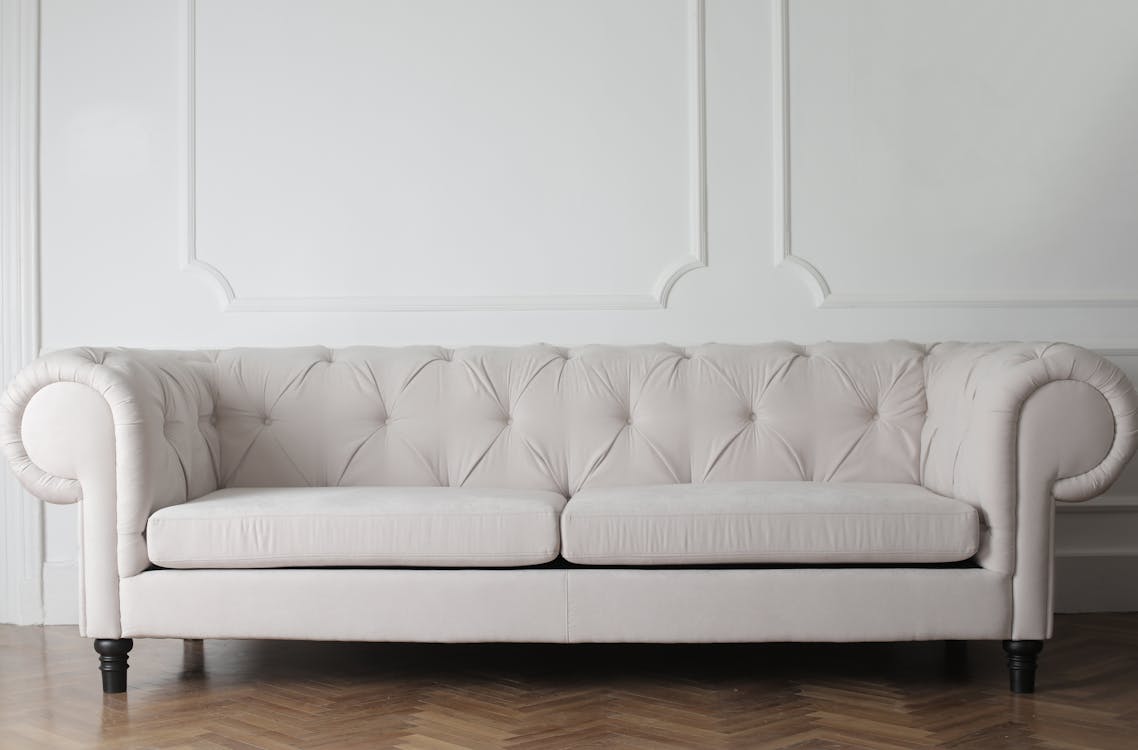
The transition from a worn-out lobby or dining area to a renewed space typically follows a systematic path. It begins with an assessment of the furniture’s existing condition. Not every piece is a candidate for reupholstery; if the internal frame is compromised or the wood has warped beyond repair, the investment may not be as cost-effective. However, when the frame is solid, the process is quite efficient. That assessment is the first step in commercial upholstery in Denver projects.
Once a professional evaluates the pieces, the selection of materials becomes the central focus. In a commercial context, fabric performance is graded based on its ability to withstand friction, cleaning, and light exposure. Experts in commercial upholstery in Denver often guide their clients toward textiles that meet specific industrial performance ratings, which measure a fabric’s ability to resist abrasion over long periods. After the materials are chosen, the old upholstery is removed, the frames are inspected and tightened, new high-density foam is typically applied to restore comfort, and the new fabric is professionally tailored to fit.
Key Factors That Shape the Final Outcome of Commercial Upholstery in Denver
When planning for custom upholstery manufacturing in Denver, several variables will influence the longevity and success of the project. The first is material compatibility. Choosing a fabric simply because it looks appealing is a common pitfall; if that fabric does not have the necessary weight or backing for commercial use, it will likely stretch or tear prematurely. Compatibility checks are a standard part of commercial upholstery in Denver planning.
Another major factor is the quality of the internal padding. Over time, foam loses its cellular structure and begins to crumble, leading to furniture that feels flat or lumpy. A professional refurbishing job should always address this layer, as the quality of the new foam directly dictates how well the furniture retains its shape under daily pressure. Furthermore, local business owners should consider the ease of maintenance. Materials that are treated to resist stains or that can be cleaned with standard commercial protocols can save a business significant time and resources in the future.
Practical Ways to Approach a Refurbishing Project
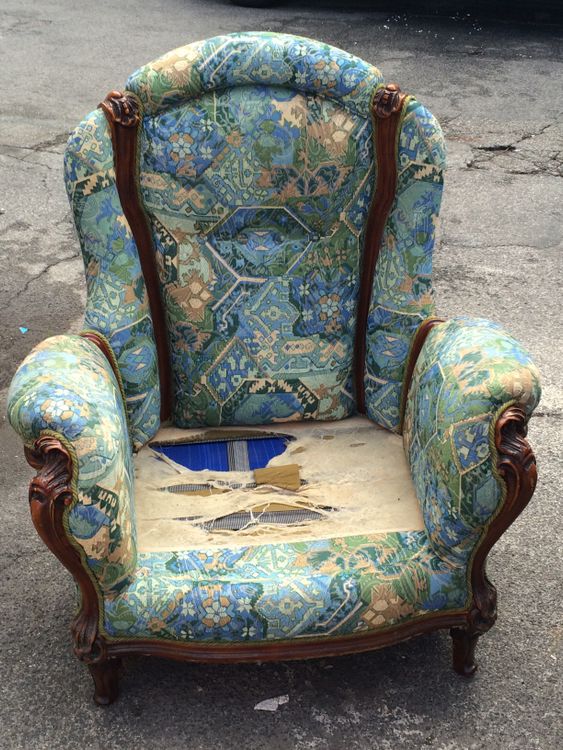
A sensible way to initiate a project is to conduct a thorough audit of the items that require attention. Grouping pieces by their usage frequency helps prioritize which items need the most durable materials and which can accommodate more decorative options. For instance, a booth in a busy restaurant requires different material considerations than a decorative accent chair in a corporate office.
When discussing needs with a provider, it is helpful to ask specific questions about their process. Inquire about the types of foam density they use for high-traffic versus low-traffic areas, and ask to see fabric samples that are specifically rated for commercial applications. A knowledgeable partner will be eager to explain the trade-offs between different materials and help align the project goals with the long-term utility of the furniture. Clear questions lead to better commercial upholstery in Denver outcomes.
It is also wise to consider the timeline of the work. Many businesses find it easiest to rotate their furniture refurbishing in phases, ensuring that the entire space does not have to be emptied or disrupted at once. Discussing a phased approach with a provider allows for a smoother transition, keeping the business operational while the work is being completed.
Planning Commercial Upholstery in Denver for Professional Spaces
Refurbishing furniture is a tangible investment in the physical environment of a company. By prioritizing structural integrity and selecting high-performance materials, businesses in the area can extend the lifespan of their furniture significantly, creating a welcoming and professional atmosphere that reflects the quality of their services. Taking a systematic, well-considered approach to this process ensures that the result is not just a visual upgrade, but a practical improvement that serves the business well into the future. In the end, commercial upholstery in Denver turns worn furniture into a lasting asset.

