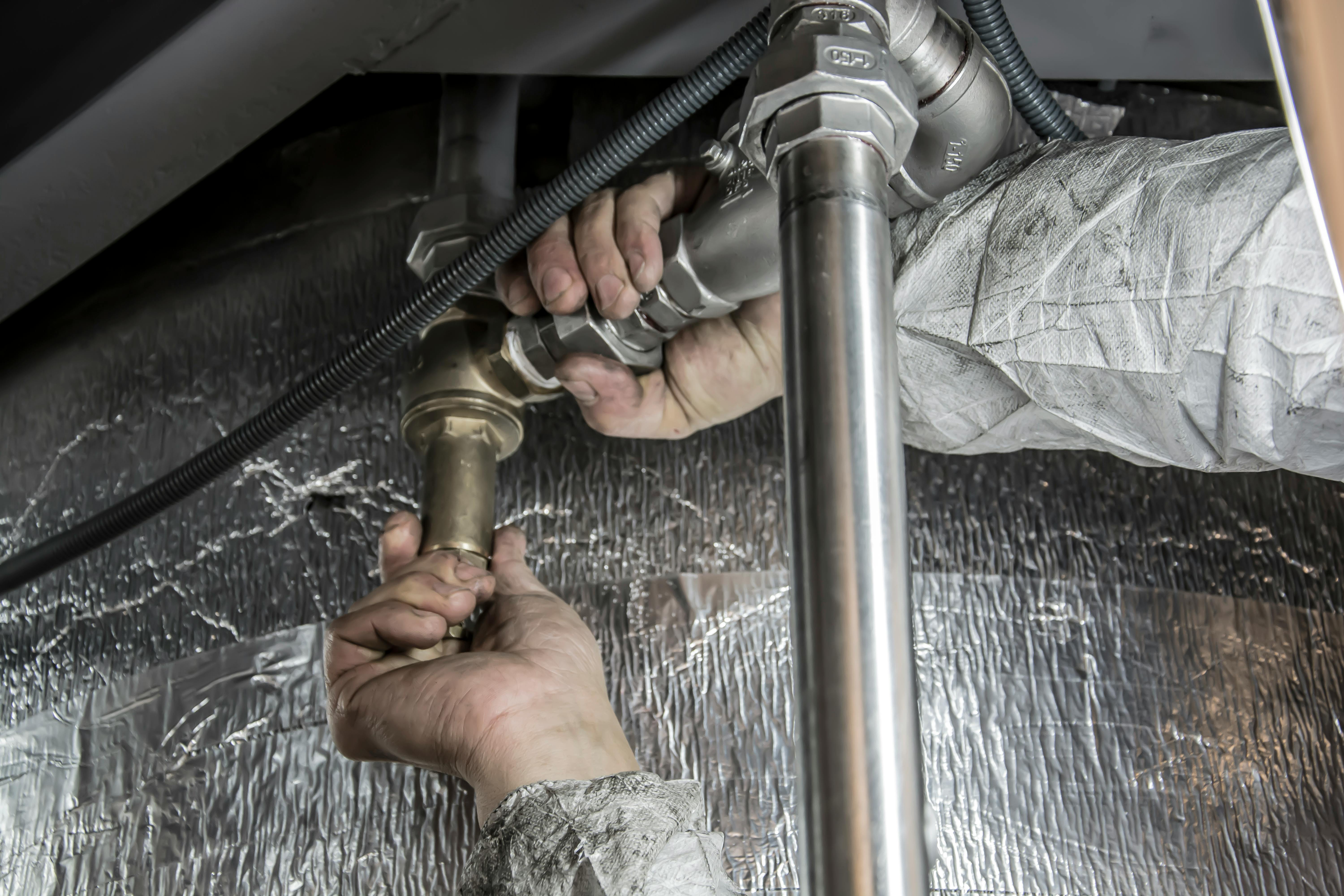
Many property owners view plumbing systems as passive infrastructure. They expect pipes and fixtures to work without issues until something breaks. When a problem occurs, they assume a quick repair will solve it. This mindset overlooks how plumbing systems actually operate. Plumbing is more than a collection of pipes and fixtures. It functions as a dynamic, pressurized network that faces constant physical and chemical stress. Owners who understand this reality can control costs more effectively and maintain reliable operations. Consistent maintenance, rather than reactive repairs, keeps plumbing systems running efficiently over time.
Why Proactive Maintenance Often Outperforms Reactive Repairs
Many property managers believe a plumbing system is healthy as long as water continues to flow. In reality, small issues often develop long before visible failures appear. Mineral buildup, corrosion, and partial blockages can slowly reduce performance. These problems rarely cause immediate disruptions. However, when owners ignore them, they often lead to costly emergencies.
Regular inspections help identify issues before they become major problems. The difference between a minor adjustment and an expensive repair often comes down to timing. Commercial plumbing services focus on detecting early signs of wear and deterioration. During inspections, technicians do more than assess current conditions. They identify patterns that may lead to future failures. They inspect pressure-regulating valves, evaluate pipe conditions, and test drainage performance. This proactive strategy helps property owners avoid unexpected disruptions and costly repairs.
The Role of Systemic Assessment in Long-Term Reliability
When property owners consider plumbing repair, the focus is usually on the immediate symptom—a leaking pipe, a malfunctioning toilet, or a backed-up sink. While addressing the symptom is essential, a comprehensive approach involves understanding the broader hydraulic and mechanical environment of the building. Systems do not exist in isolation; they are interconnected networks where a failure in one area, such as a water heater or a main drain line, can ripple throughout the entire infrastructure.
A thoughtful evaluation typically explores the “why” behind an issue. For instance, if a specific section of piping experiences frequent leaks, the cause may be related to excessive water pressure, chemical imbalances in the water supply, or improper installation techniques rather than a defect in the pipe material itself. By addressing the root cause, property owners can avoid the cycle of temporary, repeating repairs. This depth of understanding is a hallmark of professional service, ensuring that the intervention provided is long-lasting and appropriate for the specific needs of the building.
Distinguishing Between Routine Maintenance and Critical Repair
In practice, being able to distinguish between a routine maintenance requirement and a critical system failure is vital for budget management and operational continuity. A helpful way to approach this is through the questions an owner asks their service provider. Rather than asking “can you fix this leak,” a more useful inquiry focuses on the state of the surrounding infrastructure: “what does this leak suggest about the overall health of the adjacent pipes,” or “is this component showing wear that indicates it should be scheduled for replacement soon?”
Thoughtful property managers also look for providers who prioritize transparency in their assessments. A provider who explains the mechanical logic behind their recommendations—such as why a specific material is preferred for a certain type of usage or why a particular valve requires adjustment—allows the property owner to make informed decisions about their maintenance schedule. This collaborative approach shifts the relationship from one of intermittent crisis response to one of ongoing systemic support, which is often the most cost-effective strategy in the long run.
Reframing the Approach to Property Infrastructure
Ultimately, the most successful strategy for managing plumbing repair involves reframing the maintenance cycle. Instead of waiting for the system to dictate the schedule, owners who take a preventive stance tend to experience fewer disruptions and lower total repair costs over time. This involves regular, scheduled check-ins for critical assets such as main sewer lines, drainage stacks, and water distribution components.
For those managing larger or more complex facilities, the integration of commercial plumbing services into the regular maintenance calendar is an essential operational baseline. These services provide the specialized knowledge and equipment required to maintain complex systems, such as large-scale water heating installations or heavy-use sanitary lines. By scheduling these services during periods of lower activity or as part of a recurring, seasonal maintenance program, property managers can ensure their infrastructure remains robust.
Moving from a reactive mindset to a proactive one does more than prevent emergencies. It also extends the lifespan of the building’s infrastructure. Every plumbing system experiences wear over time. However, property owners can manage that wear through routine oversight and preventive care. By focusing on root causes, maintaining regular inspections, and communicating with trusted plumbing professionals, owners can keep their systems operating smoothly. The most reliable plumbing systems are those that receive attention long before failure occurs.